Eccleston Square bulky waste pick-up -- Pimlico
Posted on 15/09/2026
Eccleston Square bulky waste pick-up -- Pimlico: a practical local guide for larger items, fast clearances, and stress-free disposal
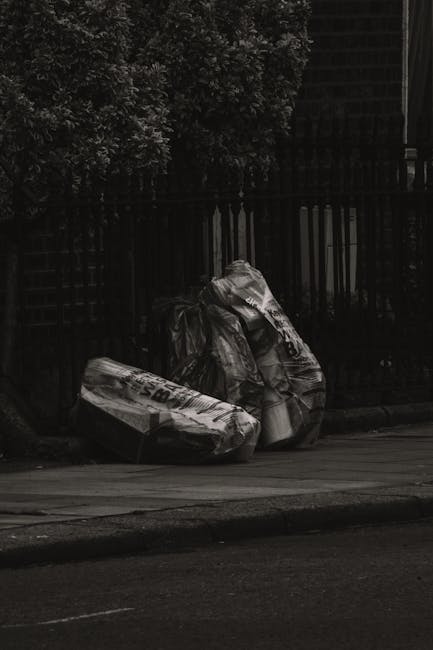
If you are dealing with a broken sofa, a mattress that has seen better days, or a pile of awkward household items that simply will not fit into a normal bin, Eccleston Square bulky waste pick-up -- Pimlico can save you a lot of time and faff. Truth be told, bulky waste is rarely just "one item". It tends to arrive in waves: a wardrobe from the spare room, a desk after a home office rethink, maybe a pram, a broken chair, and that old exercise bike everyone keeps stepping around.
This guide explains how bulky waste collection works in the Eccleston Square area, what to expect in Pimlico, how to prepare your items properly, and how to choose the right disposal route for your situation. We will also cover common mistakes, local considerations, and practical ways to keep the process smooth. If you want the short version, it is this: plan ahead, sort your items, and use a service that understands London access, disposal standards, and the realities of central London streets.
For readers comparing wider rubbish support, it can also help to look at the broader services overview and the dedicated rubbish collection in Pimlico options before deciding what fits best.
Contents
- Why Eccleston Square bulky waste pick-up -- Pimlico Matters
- How Eccleston Square bulky waste pick-up -- Pimlico Works
- Key Benefits and Practical Advantages
- Who This Is For and When It Makes Sense
- Step-by-Step Guidance
- Expert Tips for Better Results
- Common Mistakes to Avoid
- Tools, Resources and Recommendations
- Law, Compliance, Standards, or Best Practice
- Options, Methods, or Comparison Table
- Case Study or Real-World Example
- Practical Checklist
- Conclusion
- Frequently Asked Questions
Why Eccleston Square bulky waste pick-up -- Pimlico Matters
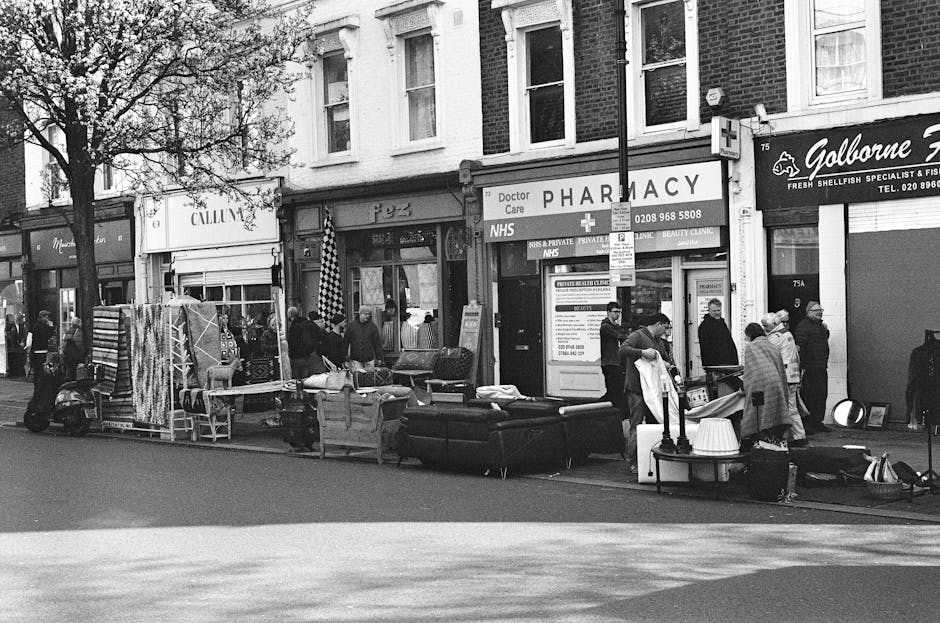
Bulky waste is different from everyday rubbish because it is inconvenient in size, weight, and handling. In a place like Eccleston Square and the wider Pimlico area, that matters even more. Flats, mansion blocks, terraces, shared entrances, narrow pavements, timed access windows, and basement storage rooms all make disposal a little more complicated than it sounds on paper. One large item can sit in the hallway for days if nobody has the right plan. And let's face it, nobody wants to live with a mattress leaning against the wall for a week.
A proper bulky waste pick-up helps you avoid clutter, reduce trip hazards, and clear space quickly before a move, refurbishment, or tenancy handover. It also helps prevent the all-too-common "temporary pile" that becomes permanent by accident. In central London, that pile can turn into a real nuisance, especially if it blocks access or creates a poor impression for neighbours, guests, or prospective buyers.
There is also a sustainability angle. Bulky items often contain reusable materials such as metal, wood, textiles, and plastics. A responsible collection service will sort items for recycling or recovery where practical, rather than treating everything as mixed rubbish. If that matters to you, the site's recycling and sustainability information is worth a look.
Expert summary: In a dense London neighbourhood, bulky waste pick-up is not just about lifting heavy things. It is about access, timing, sorting, legality, and making sure the disposal route is sensible for the item, the building, and the people who live around it.
How Eccleston Square bulky waste pick-up -- Pimlico Works
Although every provider works a little differently, the basic process is usually straightforward. You identify the items, check how many people are needed to move them, arrange a collection time, and make sure the items are ready for uplift. The tricky part is not the collection itself. It is the preparation.
In Pimlico, access is often the deciding factor. A sofa may be light enough for two people, but if it has to be carried down three flights of stairs, turned in a narrow corridor, and manoeuvred through a shared entrance, the job suddenly becomes more involved. That is why a good quote should reflect both the volume of waste and the practicalities of removal.
Some jobs are simple curbside uplifts. Others need internal collection from a flat, office, or basement. If you are clearing out an entire property, it may be more efficient to look at house clearance in Pimlico rather than arranging separate bulky item visits.
Typical bulky items include:
- sofas and armchairs
- mattresses and bed frames
- wardrobes, drawers, and shelving
- tables, desks, and chairs
- white goods such as fridges or washing machines, where accepted
- old carpets, rugs, and underlay
- exercise equipment and children's furniture
- broken office furniture or stock fixtures
Some items need extra care. Fridges and freezers may need specialised handling. Items with glass, sharp edges, or unknown fixings can be awkward. If in doubt, say so early. It saves everybody a headache later.
Key Benefits and Practical Advantages
The obvious benefit is space. Once the bulky item is gone, a room suddenly feels usable again. That spare bedroom becomes a bedroom again, not a storage shed with curtains. But there are several other advantages too.
- Speed: A booked pick-up is usually much faster than trying to piece together transport, loading help, and disposal yourself.
- Convenience: You do not need to hire a van, recruit a friend with a bad back, or figure out where each item should go.
- Cleaner presentation: This matters if you are selling, letting, renovating, or simply trying to get the place back under control.
- Reduced risk: Moving large items through stairwells and shared hallways can cause damage if it is done casually.
- Better sorting: Reputable services will usually separate items for reuse, recycling, or disposal where possible.
- Less stress: This one sounds soft, but it matters. A cleared room changes the feeling of a home fast.
There is also a practical benefit that people often underestimate: less procrastination. Bulky waste tends to sit because it is awkward. Once you book a collection, the problem becomes finite. That alone can be a relief.
Who This Is For and When It Makes Sense
Eccleston Square bulky waste pick-up -- Pimlico is useful for a wide range of people, not just homeowners with a single broken sofa. In practice, the need often appears in ordinary life moments: a move, a refurb, a tenancy ending, an office reshuffle, or a garden tidy-up after a busy season.
It makes sense if you are:
- moving out of or into a flat and need large items removed quickly
- clearing old furniture after a refurbishment
- replacing mattresses, wardrobes, desks, or other oversized items
- managing a rental property and need a neat handover
- working in an office that has accumulated broken furniture or outdated stock
- dealing with a one-off bulky item that is too awkward for normal bin disposal
- trying to avoid storage creep, where "temporary" items live in the hallway for months
It is not always the right option, though. If you only have a few light bags, a standard rubbish collection may be simpler. If you are clearing a lot of mixed items from several rooms, a broader waste removal service may be better value. The more varied the load, the more you benefit from a service that can deal with different item types in one visit.
For larger mixed loads, some people compare waste removal in Pimlico with a more item-specific collection. That decision usually comes down to volume, access, and how quickly you need the space back.
Step-by-Step Guidance
If you want the collection to go smoothly, do not leave the prep to the last minute. A good bulky waste pick-up has a rhythm to it, and the jobs that go well are usually the ones where somebody took ten minutes to think ahead. Here is a practical approach.
1. Identify exactly what needs to go
List each item. Be specific. "One sofa, one mattress, two bedside tables, one broken office chair" is far better than "a few bits." If an item is especially heavy, oversized, broken, or awkward to access, mention that from the start. You do not want surprises on the day. Nobody does.
2. Separate reusable, recyclable, and general waste items
Sorting helps the collection run faster and can improve disposal outcomes. A wooden table, metal shelving, and soft furnishings may not all be treated the same way. If you are clearing a whole room, put obvious items to one side so the crew can assess them quickly.
3. Check access routes
Look at stairs, lifts, door widths, and parking restrictions. In Eccleston Square and surrounding Pimlico streets, access can be the difference between a quick uplift and a fiddly job. If the item must pass through a shared entrance, let neighbours or building management know in advance if appropriate.
4. Ask about collection conditions
Some services can take items from inside the property; others prefer curbside drop-off. Clarify whether there is any loading point requirement, how much notice is needed, and whether you should be present. This avoids those awkward "Oh, I thought you were leaving it outside" moments.
5. Prepare the items safely
Remove loose contents, empty drawers if requested, and tape up sharp edges or loose doors where sensible. If an item is damp, infested, contaminated, or contains hazardous parts, disclose it before collection. That is not being awkward; it is being responsible.
6. Confirm timing and payment terms
For any paid service, make sure you know what is included. Does the price cover labour, loading, sorting, and disposal? Is there a surcharge for heavy items or difficult access? The clearer the quote, the better. If you want a general sense of how pricing is presented, the site's pricing and quotes page is a sensible reference point.
7. Do a final walkthrough
Before the team arrives, take a last look around the room, hallway, or storage area. You will often spot one more chair, a missing baseboard panel, or a second bag of clutter hiding behind the door. It happens all the time.
Expert Tips for Better Results
After you have arranged enough bulky pickups, you start to notice the same patterns. The smooth jobs are rarely "luck." They are usually prepared with a few smart habits.
- Measure large items if access is tight. A tape measure can save a lot of guessing, especially for stairwells and narrow entrances.
- Take a quick photo set. A couple of clear photos of the items and access route can make quoting more accurate.
- Group items logically. Keep soft furnishings together, furniture together, and any special items clearly separate.
- Use the collection as a reset point. Once the bulky waste is gone, decide what stays in the room before clutter starts creeping back.
- Be honest about difficulty. If an item is wedged in a corner or needs dismantling, say so. Guesswork helps nobody.
- Think about follow-on waste. If the bulky items are part of a bigger clear-out, it may make sense to book all of it together rather than splitting the job.
A small but useful tip: if you are clearing a flat in the morning, open curtains and switch on lights before the team arrives. It sounds tiny, but it makes the space easier to assess and a bit less stressful. Little things, really.
If your project includes garden furniture, bagged cuttings, or broken outdoor equipment, you may also want to compare it with garden waste removal in Pimlico, especially where the load is mixed rather than purely bulky household items.
Common Mistakes to Avoid
Most bulky waste problems are preventable. The issue is usually not the waste itself; it is the assumptions made before collection day.
- Leaving items until the last minute: This is the classic one. The hallway fills up, the lift booking is missed, and everything gets rushed.
- Underestimating size or weight: A wardrobe may look manageable until you realise it does not turn in the corridor.
- Not mentioning awkward access: Basement stairs, no lift, resident-only entrances, and controlled parking all matter.
- Mixing hazardous items with ordinary waste: Batteries, paint, chemicals, and other special items need separate handling.
- Assuming all bulky items are accepted equally: Some items need special disposal rules or may not be handled at all.
- Forgetting about building rules: Shared buildings sometimes have collection hours, lift bookings, or notice requirements.
- Choosing purely on the cheapest quote: Cheapest is not always best if it means poor handling, hidden extras, or a rushed job.
One more thing: do not drag bulky items down stairs by yourself just to "save time." It is rarely worth the risk to your back, the paintwork, or the stair rail. To be blunt, that shortcut can become an expensive mistake very quickly.
Tools, Resources and Recommendations
You do not need fancy equipment to prepare for a bulky waste pick-up, but a few simple tools make life easier.
| Tool or resource | Why it helps | Best use case |
|---|---|---|
| Tape measure | Checks item size and doorway clearance | Large furniture, narrow hallways, awkward lifts |
| Phone camera | Creates a quick visual record for quoting | Multiple items, access checks, stair or basement jobs |
| Label stickers or notes | Marks items to keep, donate, or remove | Mixed clear-outs, households with several decision-makers |
| Gloves | Helps with dusty, rough, or splintered surfaces | DIY leftovers, old furniture, broken frames |
| Protective floor coverings | Reduces scuffs in hallways and flats | Shared buildings, internal moving routes |
| Service overview page | Helps compare the right collection type | When you are deciding between bulky pick-up and broader removal |
For people working through a larger declutter, the site's office clearance in Pimlico and builders waste disposal in Pimlico pages can also be helpful if the waste is not purely domestic. That mix is more common than people think, especially after refits and office updates.
If you are unsure whether an item should go with a bulky collection or a separate clear-out, ask yourself one simple question: is this a single awkward item, or is it part of a wider job? That usually tells you the answer.
Law, Compliance, Standards, or Best Practice
Bulky waste disposal in London should be handled with care, even when the job looks straightforward. You do not need to know every detail of waste law to make a sensible decision, but you should understand the basics.
First, illegal dumping is never a good option. Leaving items in the street, in a communal area, or beside a public bin without proper arrangement can create problems for the building and may lead to enforcement action. It also makes life miserable for neighbours, which nobody wants. If you want a deeper look at the risks, the site's article on penalties for illegal dumping in Pimlico is directly relevant.
Second, certain waste streams require special handling. Electrical items, mattresses, chemicals, and damaged goods may need separate treatment or disclosure. Best practice is to be upfront about what you have rather than hoping it will be sorted out on the day.
Third, if you are dealing with a property project that needs skip access, local restrictions can matter. In central London, permits, placement rules, and building constraints can affect the practical choice of disposal method. For that reason, a bulky pick-up is often simpler than placing a skip where access is limited. If you are comparing options, the article on skip permits and Westminster rules may help frame the decision.
There are also general standards of care worth expecting from any provider: polite handling of the property, sensible lifting practice, clear pricing, and a disposal route that is appropriate for the item type. A good service should be able to explain what happens to the waste in ordinary language. If they cannot, that is a small warning sign.
Options, Methods, or Comparison Table
People often compare three common routes: a bulky waste pick-up, a full waste removal service, or a skip. Each has its place. The best choice depends on quantity, access, timing, and who is doing the lifting. Here is a simple comparison.
| Option | Best for | Advantages | Potential drawbacks |
|---|---|---|---|
| Bulky waste pick-up | Single or several large items | Quick, targeted, less disruption | May not suit mixed or very large clear-outs |
| Waste removal service | Mixed loads, room clear-outs, ad hoc clutter | Flexible, often handles loading too | Can be more than you need for one item |
| Skip | DIY jobs, ongoing works, repeated disposal | Useful for self-loading over time | Needs space, possible permit issues, and may not suit tight streets |
In Pimlico, the environment often pushes people toward a staffed collection rather than a skip. That is not always the case, but shared entrances, short kerb space, and traffic considerations tend to make "just place a skip outside" easier said than done. If your items are mostly furniture and household clutter, a direct pick-up is usually the cleaner choice.
A quick rule of thumb: if you can count the items on one hand or two hands, bulky pick-up may be ideal. If you are clearing multiple rooms, combine services. If you are doing ongoing DIY, think about a larger plan.
Case Study or Real-World Example
Imagine a flat near Eccleston Square with a tired sofa, a broken bed frame, a wardrobe missing a door, and an old desk squeezed into a bedroom corner. The residents have just signed for a refurbishment next week. The place needs to be clear, but access is not easy: narrow stairs, a shared hallway, and limited time for moving items without bothering neighbours.
In a situation like that, the most sensible route is usually a planned bulky waste pick-up with a clear item list and a couple of photos in advance. The service can assess whether the furniture needs to be dismantled, whether two people are enough, and whether the access route is manageable. The residents, meanwhile, can remove loose contents, separate any reusable pieces, and make sure the path to the front door is clear.
What happens next is pretty ordinary, which is exactly what you want. The crew arrives, checks the items, handles the lifting, and clears the room far faster than the residents could on their own. The biggest win is not the speed alone. It is that the room is left ready for the next trade, the next day. No awkward pile in the corner. No lingering "we'll sort that later."
That is often how good bulky waste removal feels: unglamorous, practical, and quietly transformative.
Practical Checklist
Use this checklist before your collection day. It keeps things simple.
- List every bulky item you want removed
- Measure the largest items if access is tight
- Check stairs, lifts, doors, and parking access
- Remove personal items from drawers, cupboards, and shelves
- Separate anything hazardous or unusual
- Decide whether the job is a one-off pick-up or part of a larger clearance
- Take photos for reference if the item load is complex
- Confirm the collection time and what is included in the price
- Clear the access route to the items
- Do a final sweep for forgotten bits and pieces
Practical takeaway: the smoother the access and the clearer the item list, the less likely you are to face delays, extra handling, or unnecessary back-and-forth. It really is that simple.
Conclusion
Eccleston Square bulky waste pick-up -- Pimlico is at its best when it is treated as a practical planning task, not a last-minute scramble. If you know what needs removing, understand access constraints, and choose the right disposal route for the job, the process becomes much easier. That saves time, cuts stress, and helps keep your home, flat, office, or shared building looking tidy and cared for.
The broader lesson is reassuring: bulky waste does not need to become a lingering problem. With a sensible approach, even awkward items can be cleared neatly and responsibly, leaving you with space to breathe a bit. And honestly, that fresh, empty-room feeling is quite satisfying.
Get a free quote today and see how much you can save.

 Tipper Van - Property Waste Disposal and Rubbish Removal Prices in Pimlico, SW1
 Luton Van - Property Waste Disposal and Rubbish Removal Prices in Pimlico, SW1