Penalties for illegal dumping in Pimlico: Council fines
Posted on 04/07/2026
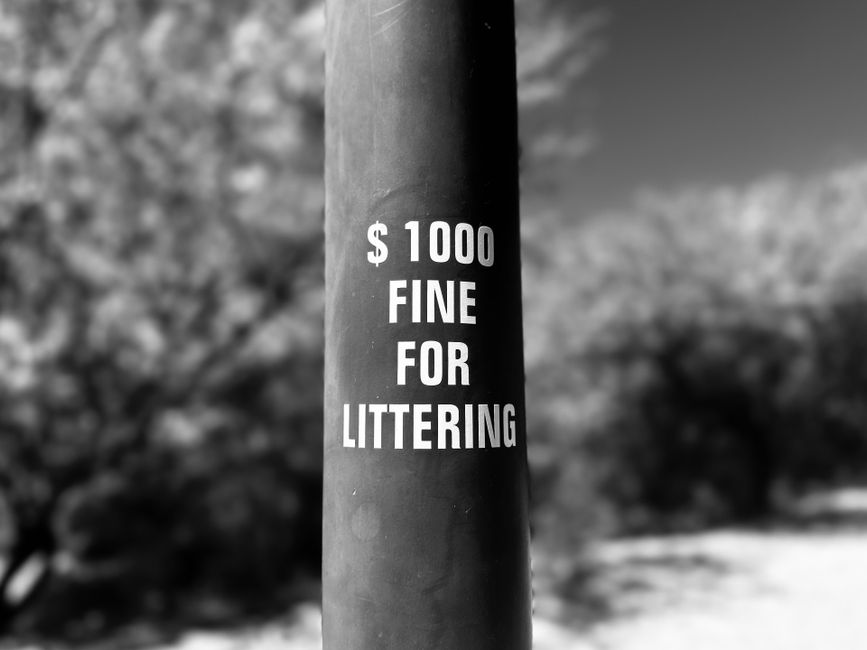
Penalties for illegal dumping in Pimlico: Council fines explained
If you live, work, rent, or run a business in Pimlico, the subject of illegal dumping probably comes up more often than you'd expect. One fly-tipped mattress on a quiet street can become an eyesore by lunchtime; a pile of builder's rubble can turn a tidy mews into a mess by evening. And yes, the consequences can be serious. This guide breaks down Penalties for illegal dumping in Pimlico: Council fines in plain English, so you can understand what counts as illegal dumping, how fines are typically handled, what makes enforcement more likely, and how to avoid a costly mistake.
We'll also cover what to do if rubbish has been left near your property, how residents and landlords can reduce risk, and where legal disposal fits into the picture. It's the kind of thing that sounds straightforward until you're the one dealing with the bill. Then it gets very real, very quickly.
Why Penalties for illegal dumping in Pimlico: Council fines Matters
Illegal dumping is not just a "bit of rubbish left out". In local terms, it covers abandoned waste, fly-tipping, placing waste somewhere it should not be, or handing waste to someone who then dumps it elsewhere. In Pimlico, that can mean anything from a broken wardrobe on the pavement to bags of office waste left beside a communal bin store.
Why does it matter so much? Because the impact is immediate and visible. Streets around Pimlico are busy, residential, and often tightly managed. Waste that lands in the wrong place can block access, attract pests, create odours, and damage the feel of an area that people value for its order and liveability. If you've read about why Pimlico is considered a desirable place to live, you'll know that clean streets and good presentation are part of the appeal. Dumping undermines that quickly.
There's also a practical side. Council action can lead to fixed penalties or further enforcement depending on the circumstances, and that can be more expensive than arranging legitimate removal in the first place. To be fair, most people do not set out to break the rules. It usually happens through confusion, convenience, or someone trying to save a few pounds. But convenience has a way of turning into a problem when a council officer, landlord, or neighbour spots it.
Expert summary: the cheapest disposal option is rarely the cheapest outcome if it leads to a fine, cleanup charge, or time spent proving the waste was not yours. Legal disposal tends to feel boring right up until it saves the day.
How Penalties for illegal dumping in Pimlico: Council fines Works
Although exact handling can vary, the usual pattern is simple enough. If waste is found dumped unlawfully, the responsible authority may investigate who left it there. Evidence can include packaging, labels, vehicle details, CCTV, witness accounts, or patterns around the location and timing. In some cases, an enforcement officer may issue a fixed penalty notice. In others, the matter can move into a broader investigation.
Not every bag left out is automatically a fine situation. Context matters. A bin bag put out on the wrong day, for example, is a different issue from a sofa abandoned beside a lamp post. But from an enforcement point of view, even small mistakes can become expensive if they look careless or repeated. That's why clear disposal habits matter, especially in mixed-use streets where homes, shops, and workspaces all sit close together.
If you manage a property or business, there is another layer to consider: accountability. Waste can be traced back to the occupier, the contractor, or sometimes the person who arranged the collection. For that reason, keeping records of collections, invoices, and contractor details is just plain sensible. If you need a broader overview of disposal-related services, the site's services overview and recycling and sustainability pages are useful for understanding how lawful disposal is typically handled.
What usually triggers enforcement?
- Waste left on the street or beside a communal bin area without permission
- Fly-tipped furniture, mattresses, or DIY waste
- Builders' rubble placed in the wrong location
- Household rubbish handed to an unlicensed or unreliable collector
- Repeated issues from the same address or business
- Obvious attempts to avoid disposal costs
That last one is the bit people underestimate. Councils and enforcement teams are good at spotting patterns. One-off mistakes happen. Repeat behaviour raises eyebrows fast.
Key Benefits and Practical Advantages
Staying on the right side of waste rules is not glamorous, but it brings real benefits. The obvious one is avoiding fines. The less obvious ones are time, peace of mind, and better relationships with neighbours, landlords, tenants, and building managers. In a place like Pimlico, that matters more than you might think.
There's also a financial angle. Council fines and follow-on costs can end up being much more expensive than proper disposal. Even if a penalty is not issued immediately, you may still face cleanup costs, re-collection charges, or disputes about who should pay. That can drag on, and nobody wants to spend a week trading messages over a smashed chest of drawers.
For businesses, compliant waste handling supports a cleaner front of house, better customer impression, and fewer complaints. For residents, it helps keep communal areas usable and avoids friction in shared buildings. It may sound minor, but a tidy bin store can make a surprising difference to everyday life. One less thing to step around at 8am on a wet Tuesday. That sort of thing.
- Avoid direct financial penalties and cleanup charges
- Reduce the risk of disputes with neighbours or landlords
- Protect your property's appearance and hygiene
- Support smoother collections for households and businesses
- Keep records in case of questions later on
Who This Is For and When It Makes Sense
This information is useful for quite a wide group. If you're a homeowner clearing out a flat, a tenant leaving at the end of a lease, a landlord managing an exit, a business owner disposing of office furniture, or a contractor finishing a project, the same basic rule applies: know where the waste goes and who is responsible for it.
It is especially relevant if you are handling:
- End-of-tenancy clearances
- Office relocations or refurbishments
- Small building works and strip-outs
- Garden clearances in shared or managed spaces
- Bulky items such as sofas, mattresses, or appliances
- Mixed waste in blocks of flats or mansion-style buildings
If that sounds familiar, you may also find it helpful to compare disposal routes before you decide. For example, some people look into bulky item removal arrangements in Westminster before opting for private clearance, while others need guidance on skip permits and local rules before starting work.
And if you're thinking, "I only left a bag out for a short while, does that count?", the answer is: it depends on the setting, permission, timing, and what the bag contained. This is where people get caught out. A quick decision can create a longer headache.
Step-by-Step Guidance
If your goal is to avoid illegal dumping problems in Pimlico, use a calm, practical process. No drama needed. Just a few sensible steps.
- Identify the waste type. Household rubbish, garden waste, builders' waste, electronics, and furniture all need different handling.
- Check whether it can go into your normal collection. Many items cannot, especially bulky or hazardous materials.
- Confirm who owns the waste. If it came from a tenant, contractor, or business, make sure responsibility is clear.
- Choose a lawful disposal route. That could mean council collection, a licensed waste carrier, or another approved method.
- Keep paperwork. Save invoices, collection times, and any messages confirming pickup.
- Do not leave waste in communal areas unless permitted. "I'll move it later" is how problems start.
- Follow up if something goes wrong. If a collector fails to remove the waste, chase it promptly rather than hoping it disappears.
A small real-world example: a resident in a Pimlico apartment block decides to leave an old desk near the bins "for the morning". Overnight, someone adds a mattress and a bag of plasterboard. By the time building management notices, the pile looks like a proper fly-tip. That's the sort of situation where intentions do not matter much. The outcome does.
Expert Tips for Better Results
If you want to stay well clear of penalties, there are a few habits that make life easier. Nothing fancy. Just the stuff that works.
- Book collection before you dismantle furniture. If items are already broken apart, they become harder to store safely and easier to scatter.
- Ask for confirmation in writing. Especially when using a contractor or arranging a clearance in a managed building.
- Photograph the waste before pickup. A quick phone photo can save a surprising amount of time later.
- Separate reusable, recyclable, and general waste. Better sorting often means smoother collection and less clutter.
- Check access routes in advance. Narrow Pimlico streets, tight stairwells, and basement flats can complicate even simple removals.
- Think about neighbours. If bags are likely to block a doorway, stairwell, or shared bin store, rearrange the timing.
Another useful tip: if you are handling property clearance after a sale or move, plan the waste removal before the handover date. It sounds obvious. People still leave it too late all the time. If you are interested in the property side of things, the site's real estate guide for Pimlico and property sale advice can help with that broader planning mindset.
Common Mistakes to Avoid
A lot of illegal dumping penalties come down to preventable mistakes. The frustrating part is that they often seem harmless at the time.
- Leaving items beside communal bins and assuming that counts as disposal
- Using an unverified collector because the quote looks cheap
- Mixing builders' waste with household waste and hoping nobody notices
- Putting out bulky waste too early and letting it sit overnight
- Assuming "someone else will sort it" in shared buildings
- Not keeping records of a legitimate collection
The cheap-quote trap is especially common. Let's face it, everyone likes saving money. But if the person who takes your rubbish decides to dump it somewhere else, the trail can come back to you. That's why lawful collection and proper paperwork matter more than a shiny promise on the day.
For jobs involving renovation debris, it is worth looking at specialised handling for builders' waste disposal in Pimlico rather than treating it like normal domestic rubbish. Same for green waste, which is usually better dealt with as garden waste removal rather than bundled into general bags and left out. Small distinction, big difference.
Tools, Resources and Recommendations
You do not need a complicated toolkit to stay compliant. What you do need is a sensible system.
Useful things to keep in place:
- A note of your collection dates and times
- Photos of items before removal
- Copies of invoices or booking confirmations
- Access instructions for flats, estates, or offices
- A clear internal process for who authorises waste disposal
If you manage a home, office, or rental property, it may also help to review insurance and safety information before arranging a major clearance. It sounds dry, but the practical side is valuable: lifts, stairwells, tight entrances, and shared corridors can all affect how waste should be moved out safely.
For people looking for a clearer sense of service quality, process, and what to expect, the company's about us page, pricing and quotes, and terms and conditions pages can also be useful alongside this article. The key is not to guess. Confirm things properly. Saves bother.
Law, Compliance, Standards, or Best Practice
Because illegal dumping is a compliance issue, it pays to think in terms of responsibility rather than just convenience. The exact fine, process, or enforcement route can vary depending on the circumstances, but the underlying principle is consistent: waste must be stored, transported, and disposed of lawfully.
In practice, that usually means:
- Only using properly arranged or authorised waste removal
- Avoiding public land or communal areas unless permitted
- Not transferring waste to someone who cannot be trusted to handle it legally
- Keeping evidence of who removed the waste and when
- Taking extra care with bulky, hazardous, or construction-related materials
Best practice in a place like Pimlico is simple: treat waste as something that needs a plan, not a problem to be shuffled out of sight. The moment rubbish is left somewhere "temporary", the risk starts to rise. And if the area is a shared estate, busy pavement, or managed commercial frontage, that risk rises faster.
For businesses, especially in retail or office settings, waste compliance is part of everyday professionalism. A clean frontage and correctly managed storage can help avoid complaints from neighbours and building managers. If you want a service route that fits your operation, you can compare options like office clearance in Pimlico or the broader waste removal service depending on the scale of the job.
Options, Methods, or Comparison Table
Different disposal methods carry different levels of convenience and risk. Here's a simple comparison to help you think clearly.
| Option | Best for | Typical risk level | Why it matters |
|---|---|---|---|
| Correct council collection or approved route | Routine household or scheduled waste | Low | Clear, lawful, and easier to prove |
| Licensed private waste removal | Bulky items, mixed loads, business waste | Low to moderate | Good when records are kept and access is tricky |
| Leaving items in communal areas | Very few legitimate situations | High | Often treated as careless or unauthorised |
| Using an unverified collector | When price is the only focus | High | Risk of fly-tipping and traceability issues |
| Dumping on private land without permission | None really | Very high | Can create liability and serious disputes |
If you are dealing with a one-off bulky item, compare the specific route carefully. A mattress, a broken cabinet, and a pile of renovation offcuts are not the same problem. Slightly annoying, yes. But true.
Case Study or Real-World Example
Picture this. A small office near Pimlico needs to clear out old filing cabinets, desk chairs, and boxed paperwork after a refit. The team wants the space cleared quickly, and one person suggests putting everything out by the rear entrance "because it'll only be there until morning".
That sounds harmless until the concierge raises concerns, another tenant leaves extra rubbish beside it, and the pile starts blocking access. By the time the situation is noticed, the waste no longer looks like a scheduled collection. It looks abandoned. If enforcement officers or building management intervene, the business may need to explain why it was left there, who authorised it, and whether any removal was actually booked.
Now compare that with the better approach. The office books a proper clearance, keeps the confirmation, photographs the items, and arranges timed access. The waste is removed in one visit, the corridor stays clear, and the landlord has no reason to complain. Same amount of rubbish. Very different outcome.
That is the practical heart of this topic. Most fines are not about giant criminal operations. They often begin with ordinary people making sloppy choices. Bit awkward, but that's the reality.
Practical Checklist
Use this before you put anything out for collection or hand it to a third party:
- Have I identified the exact waste type?
- Do I know who is responsible for it?
- Is the collection method lawful and suitable?
- Have I checked whether a permit or special arrangement is needed?
- Am I keeping the waste out of communal or public areas until pickup?
- Have I saved written confirmation or a receipt?
- Do I know where the waste is going?
- Would I be comfortable explaining this arrangement later?
If you can answer "yes" to most of those, you are usually in a much safer place. If several answers are unclear, pause and sort that out before the rubbish goes anywhere. It's not worth the stress later.
Get a free quote today and see how much you can save.
Conclusion
Illegal dumping penalties in Pimlico are best understood as a warning against casual waste handling. The council fines themselves are only part of the story. The bigger issue is the chain reaction: complaints, cleanup, liability, and time lost to something that could usually have been avoided with a proper disposal plan.
In a neighbourhood where presentation, access, and shared spaces matter so much, being careful with waste is not overcautious. It is basic good sense. Whether you are clearing a flat, moving offices, handling garden waste, or managing a renovation, the safest route is to keep things lawful, documented, and tidy from the start.
And if you are standing there looking at a pile of rubbish thinking, "Right, now what?", that's completely normal. Take a breath, make the plan, and sort it properly. That's usually where the hassle ends.
 Tipper Van - Property Waste Disposal and Rubbish Removal Prices in Pimlico, SW1
 Luton Van - Property Waste Disposal and Rubbish Removal Prices in Pimlico, SW1