Tackling hoarded rubbish in Pimlico flats: clearance options
Posted on 06/05/2026
Hoarded rubbish in a Pimlico flat is rarely just "a bit of clutter". More often, it's a layered problem: blocked walkways, awkward access in period conversions, neighbours who are starting to notice smells or pests, and a resident who may feel overwhelmed before anyone even opens a bin bag. Tackling hoarded rubbish in Pimlico flats: clearance options is about choosing the right approach, not just the fastest one. That distinction matters. A careful clearance can protect wellbeing, preserve a property's condition, and avoid the kind of rushed mistake that turns a difficult job into a bigger one.
If you're dealing with this in a mansion block, a converted townhouse, or a compact upper-floor flat with steep stairs and not much lift access, you'll already know the practical challenges. This guide walks through the available clearance options, how they work, what to expect, and how to decide which route fits the situation. To be fair, there is no single perfect method for every flat. But there is usually a sensible one.
For broader context on the area and the local property market, you may also find these helpful: is Pimlico a desirable place to live, the allure of Pimlico, and Pimlico real estate guidance. If you're preparing a sale, this Pimlico property selling guide is also worth a look.
Why Tackling hoarded rubbish in Pimlico flats: clearance options Matters
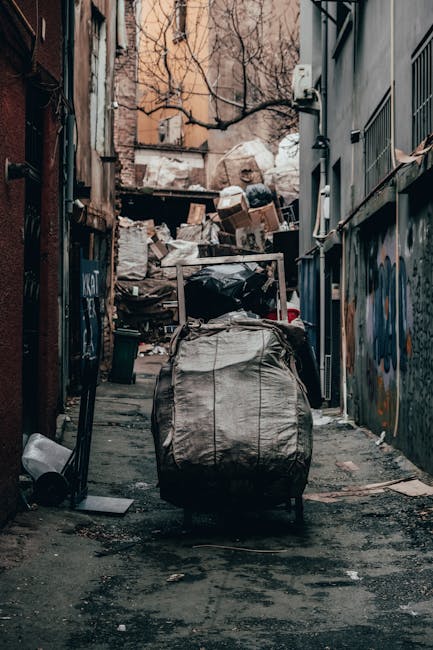
In a Pimlico flat, hoarded rubbish can escalate quickly because space is limited and shared access is often tight. One overflowing room can affect the hallway, stairwell, ventilation, and even the flat below. If rubbish is left for too long, the problem can move beyond visual clutter into safety and hygiene issues. That includes blocked exits, trip hazards, moisture build-up, pest attraction, and unpleasant odours that travel through older buildings with less forgiving layouts.
There's also the human side. Hoarding is often tied to stress, grief, mental health, or a major life change. So the issue is not just "remove the stuff and move on". A good clearance approach respects that context. It avoids shame, keeps people informed, and reduces the risk of throwing away something important by mistake. In our experience, the best outcomes tend to come from a calm plan and a steady pace, not a dramatic blitz.
Pimlico's housing stock can add a few quirks too: narrow stairs, shared entrances, concierge rules, parking limits, and neighbours who are understandably sensitive to disruption. That means clearance planning has to be both practical and considerate. A job that works in a ground-floor house doesn't always translate neatly to a third-floor flat near a busy street. Truth be told, that's where experience really shows.
If the property is being prepared for letting, sale, or refurbishment, hoarded rubbish can also delay everything else. Repairs may be impossible until access is restored. Surveyors may flag damp, damage, or blocked services. Even small jobs can stall. So the sooner the clearance is handled properly, the better the chances of keeping the wider plan on track.
How Tackling hoarded rubbish in Pimlico flats: clearance options Works
There are usually three broad routes: a resident-led sort-out, a professional clearance service, or a blended approach. Which one is right depends on the volume of rubbish, the condition of the flat, the access constraints, and whether the resident wants to be present.
A resident-led approach works best when the situation is mild and the person can make decisions without becoming overwhelmed. That might mean tackling one cupboard, one room, or one category at a time. It is slower, but sometimes it's the most respectful way to start.
A professional clearance is usually better when the flat has become hard to move around in, when there's bulk waste, or when time matters. A good crew will sort, lift, carry, load, and remove items in one visit or a planned series of visits. If needed, they can also separate recyclable materials and identify items that need special handling. Services like house clearance in Pimlico and waste removal support are often the most relevant starting points for this kind of job.
A blended approach sits between those two. Families or support workers may help the resident set aside documents, sentimental items, medication, or valuables first, then bring in a team to remove the remaining rubbish and bulky waste. This tends to work well where the emotional load is high and the practical load is heavier still.
There's usually a sequence behind the scenes:
- Initial conversation and a realistic assessment of the flat.
- Agreement on what stays, what goes, and what needs checking.
- Planning for access, parking, and building rules.
- Safe removal of rubbish, bulky items, and general waste.
- Sorting for reuse, recycling, or disposal where appropriate.
- Final sweep-through so the flat is usable again.
That sequence sounds simple. It often isn't. But once the process is broken into steps, the whole thing becomes far less intimidating.
Key Benefits and Practical Advantages
The obvious benefit is space. A cleared flat feels calmer, safer, and easier to live in. But the real value goes deeper than that. Clearing hoarded rubbish can restore basic functionality: a working kitchen, a clear route to the bathroom, a bedroom that can actually be used, and access to windows and sockets without shifting piles every five minutes.
Another major benefit is reduced risk. Loose items stacked in unstable ways can fall. Hidden waste can attract insects or rodents. Strong smells may indicate waste that has been sitting far too long. If a flat has been packed to the ceiling, there is also a genuine fire and escape concern. Nobody wants to think about that, but it has to be said.
For landlords, executors, families, and property managers, a clean-up also helps protect value. A hoarded flat can deter buyers, slow a letting process, and create avoidable repair costs. If the property is likely to be sold, clear access and visibility matter. The difference can be dramatic, especially in a market where presentation counts. You can read more about that local angle in this Pimlico real estate guide.
There's a quieter benefit too: less friction between people. When a flat is in a difficult state, everyone gets tense. Family members worry. Neighbours complain. Residents may feel judged. A well-managed clearance can lower the temperature a bit and make the next conversation easier. Small win, but it matters.
Who This Is For and When It Makes Sense
This kind of clearance is relevant to a surprisingly wide group of people. You might need it if you are:
- a tenant trying to regain control of a flat;
- a family member helping a relative who is struggling;
- a landlord preparing a property for new occupancy;
- a letting agent dealing with a time-sensitive move-out;
- an executor or solicitor arranging an estate clearance;
- a housing professional responding to a property in poor condition;
- a homeowner getting a flat ready for sale or refurbishment.
It makes sense to act when rubbish is starting to interfere with daily life, when a property inspection is due, or when safety is becoming an issue. It also makes sense when a resident says they want help but cannot organise the work alone. That's a very common point, by the way. People do not usually need a lecture. They need a plan.
In Pimlico, the "when" often comes down to access and timing. If the building has strict entry windows, shared stairwells, or parking restrictions, it helps to book a service that can work around that. If it's a busy road near local shops or offices, early planning matters even more. For commercial and mixed-use nearby, it can be helpful to look at rubbish services for Pimlico shops and offices and local rubbish collection services in Pimlico to understand how access and scheduling are handled in the area.
Step-by-Step Guidance
If you're facing a hoarded flat, the easiest way to start is to stop thinking about the whole thing at once. Break it down. One room, one corner, one decision. That approach is slower at first, but it usually prevents the panic spiral.
1. Make a quick reality check
Look at the flat and decide what kind of problem you're dealing with. Is it cluttered but walkable, or genuinely hard to move through? Are there obvious safety issues such as blocked exits, damp, broken glass, or food waste? If the situation looks severe, bring in support sooner rather than later.
2. Separate urgent items first
Before anything leaves the flat, pull aside essentials: medication, ID, keys, cash, paperwork, bank cards, sentimental items, and anything that could be needed in the next 24 to 48 hours. If the resident is present, give them time to identify what matters most. This is where a human touch helps. No one enjoys being rushed through their own things.
3. Choose the clearance route
Ask whether the job can be handled with small-scale sorting, a full flat clearance, or a mix of both. If the rubbish includes bulky furniture, broken appliances, bagged waste, or mixed materials that are difficult to manage safely, a professional service is often the cleaner answer. If there is also refurbishment or post-renovation debris, a builders waste disposal service in Pimlico may be useful too.
4. Plan access properly
Check stairs, lifts, corridor width, parking, and building rules. In a Pimlico flat, that can make or break the day. A crew may need to carry items down several flights, so cleared access saves time and reduces the chance of damage. It sounds basic. It isn't always done well.
5. Remove rubbish in stages if needed
Some clearances are better tackled room by room. This is especially true where the resident feels anxious. A staged approach also lets you pause and reassess. If you discover more waste than expected, you can adjust the plan rather than forcing it.
6. Finish with a final safety check
Once the rubbish has gone, check floors, sockets, windows, vents, and pathways. Make sure the flat is not just empty, but usable. A quick aftercare sweep can uncover things that were hidden for months. Sometimes it's the little things, like a stuck window or a damaged plug socket, that become obvious only then.
Expert Tips for Better Results
First, don't start with the sentimental mountain. Start with the easier stuff. Old packaging, broken household items, duplicate bottles, and obvious waste are the lowest-friction wins. Those wins create momentum, and momentum is underrated.
Second, keep one sorting rule per session. For example: keep, donate, recycle, dispose. Avoid setting five categories at once or you'll spend more time thinking than clearing. Simplicity helps.
Third, protect the resident's sense of control. Even if a flat is in a poor state, people usually cope better when they get choices. A choice between "keep this box or this shelf?" is more useful than "what do you want to throw away?"
Fourth, watch for hidden hazards. Bags may conceal liquids, mouldy textiles, sharp objects, or old batteries. If something smells off or looks contaminated, don't assume it's ordinary waste. Set it aside and handle it carefully.
Fifth, use the building's rhythm to your advantage. In quieter hours, stairwells are less crowded, neighbours are less disrupted, and loading is usually easier. In central London, even a good plan can unravel if everyone arrives at once. Yes, the traffic really can make a simple job feel oddly dramatic.
If you're choosing between service levels, the company's wider approach matters too. Review a provider's services overview, check their pricing and quotes guidance, and make sure you're comfortable with their insurance and safety information. Those pages don't solve the flat itself, of course, but they do help you judge whether the service is set up properly.
Common Mistakes to Avoid
One of the biggest mistakes is trying to do everything in a single heroic day. That may sound efficient, but it often leads to fatigue, poor decisions, and more clutter left behind than expected. Short, manageable sessions usually work better.
Another common error is throwing out personal papers too quickly. In a hoarded flat, documents can be mixed in with rubbish and missed entirely. Check before bagging. Bank letters, tenancy documents, medical records, and ID often show up in strange places, tucked inside magazines or old envelopes. People forget that sort of thing happens until they see it themselves.
A third mistake is ignoring the building environment. If you leave bags in the corridor, block the landing, or use the wrong access route, you may cause friction with neighbours or the managing agent. In a shared block, good manners are not optional. They're part of the job.
It's also a mistake to assume all waste is the same. Some items need separate handling, and not everything should go in a general rubbish load. Even where the regulations are not immediately visible to the homeowner, best practice still matters. Better safe than sorry, frankly.
Finally, don't overlook the emotional side. If the resident feels embarrassed or pressured, progress may stall. A calm pace with clear communication usually achieves more than a sharp ultimatum. It's not glamorous, but it works.
Tools, Resources and Recommendations
You don't need specialist equipment to begin, but a few basics help:
- strong sacks or rubble bags for mixed waste;
- gloves suitable for handling unknown items;
- sturdy boxes for documents and valuables;
- labels or marker pens for keep/review/dispose categories;
- phone photos for tracking what was found in each room;
- a torch for dark cupboards, under beds, and behind furniture;
- basic cleaning supplies for the final pass;
- tape or temporary signs if access routes need protecting.
For larger or more sensitive jobs, professional support is usually the most sensible resource. A reputable clearance team can handle lifting, loading, and removal while keeping the process controlled. If you're unsure what type of service fits the property, a good starting point is often rubbish collection in Pimlico or the broader waste removal options available locally.
And if you want to understand the people behind the service before booking, about us gives useful context on who is doing the work and how they present themselves. That kind of background can help when you're trusting someone with a very personal job.
Law, Compliance, Standards, or Best Practice
For a hoarded flat, the key point is not to treat clearance as an informal dumping exercise. In the UK, waste should be handled responsibly, and anyone arranging removal should be confident that the waste is being transported and managed properly. If you're hiring help, ask sensible questions about where waste goes, how recyclable material is separated, and how safety is handled on site.
Building rules matter too. In a shared Pimlico block, there may be restrictions around lift use, parking, communal areas, and working hours. Those aren't just annoyances; they're part of staying on good terms with neighbours and management. A good operator should plan around them rather than hoping for the best.
There's also the matter of personal belongings and privacy. Hoarded properties often contain letters, bank details, medication, photos, and family records. Best practice is to treat anything potentially sensitive with care and to avoid casual handling. If you're supporting a resident, keep a clear record of what is being removed and what has been set aside for review.
Safety is another big one. Clear paths, proper lifting, and cautious handling of sharp or heavy items are not optional. If there's evidence of mould, pests, broken glass, or contaminated waste, the approach should become more cautious, not less. That is where a careful team earns its keep.
Where recycling and reuse are possible, they should be considered rather than ignored. A responsible clearance doesn't have to mean everything goes in one direction. The site's recycling and sustainability information is useful if you want a clearer sense of that approach.
Options, Methods, or Comparison Table
Different clearance methods suit different situations. The table below gives a simple comparison to help you decide.
| Option | Best for | Pros | Limitations |
|---|---|---|---|
| Resident-led sort-out | Mild to moderate clutter, emotionally sensitive situations | Low pressure, preserves control, can be done gradually | Slow, physically demanding, may not suit severe cases |
| Family or support-assisted clearance | When the resident wants help but still wants involvement | Balanced approach, easier decisions, better oversight | Can still be time-consuming and emotionally tiring |
| Professional flat clearance | Heavy hoarding, time pressure, difficult access, bulky waste | Fast, structured, less physical strain, safer for large loads | Costs more than doing it yourself, needs good planning |
| Staged clearance with follow-up visits | Severe clutter or residents who need time between decisions | Flexible, humane, reduces overwhelm | Requires more coordination and more than one appointment |
If the flat is tied to a move, bereavement, or refurbishment, a staged or professional route is usually the least stressful. If the issue is still at an early stage, a lighter-touch plan may be enough. That's the real decision point: scale, speed, and sensitivity.
Case Study or Real-World Example
Imagine a top-floor Pimlico flat in a converted terrace. The resident has been coping alone for years, and the kitchen is now partly blocked by bags, newspapers, and old household items. The hallway still has a narrow route through it, but it's awkward, and the bedroom door barely opens. The landlord needs access for maintenance, and the resident is anxious about being judged.
The sensible approach starts small. First, the resident identifies medication, paperwork, a few family photographs, and a box of valuables. Those items are moved to one safe corner. Next, the flat is split into sections: kitchen, hallway, bedroom, storage area. The clearance team schedules a morning visit so there's enough daylight and less foot traffic in the building. Bags are removed in stages, and anything recyclable is separated where practical. The resident stays involved for decisions, but not so involved that they burn out halfway through.
By the end of the day, the flat is not "perfect". That would be unrealistic. But it is safe to walk through, the kitchen floor is visible again, and the landlord can arrange the repair work that was previously impossible. That's a good outcome. Not dramatic, just solid. Sometimes solid is exactly what you need.
This is the kind of job where a local, well-planned service makes a difference. For related support in the area, you can also review office clearance in Pimlico if the property has work-from-home equipment or mixed household/office waste, though a residential flat clearance is usually the primary route.
Practical Checklist
Use this checklist before the clearance begins:
- Identify the main problem areas in the flat.
- Set aside medication, ID, keys, and important paperwork.
- Decide who will be present during the clearance.
- Confirm building access, parking, and any restrictions.
- Check whether stairs, lifts, or corridors need protection.
- Separate anything needing special care, such as valuables or sentimental items.
- Choose between gradual sorting and a full clearance service.
- Ask how recycling and disposal will be handled.
- Make sure the resident is comfortable with the plan.
- Allow time for a final tidy and safety check.
Quick takeaway: the best hoarded rubbish clearance is the one that balances urgency with care. Fast is useful, but controlled is better.
Conclusion
Tackling hoarded rubbish in Pimlico flats: clearance options are best understood as a set of practical paths, not a single fixed service. Some situations need a gentle, resident-led sort. Others need a full professional clearance because access is limited, the waste volume is high, or time is tight. The right answer usually depends on the flat, the people involved, and how much disruption you can realistically manage.
What matters most is starting with a plan that respects both the property and the person living there. Clear access, careful sorting, proper removal, and a little patience can transform a difficult situation into something manageable. And once the flat can breathe again, everything else tends to get easier.
Get a free quote today and see how much you can save.
If you'd like to understand more about the service standards and business practices behind the work, you can also review the site's terms and conditions and payment and security information before making a decision.
 Tipper Van - Property Waste Disposal and Rubbish Removal Prices in Pimlico, SW1
 Luton Van - Property Waste Disposal and Rubbish Removal Prices in Pimlico, SW1